Dehradun is often described as a city of beautiful hills, pleasant weather, educational institutions and peaceful surroundings. Yet beyond its popular tourist attractions, the Doon Valley has a remarkable spiritual heritage. Ancient shrines, places associated with saints and traditional pilgrimage routes have been part of life here for generations.
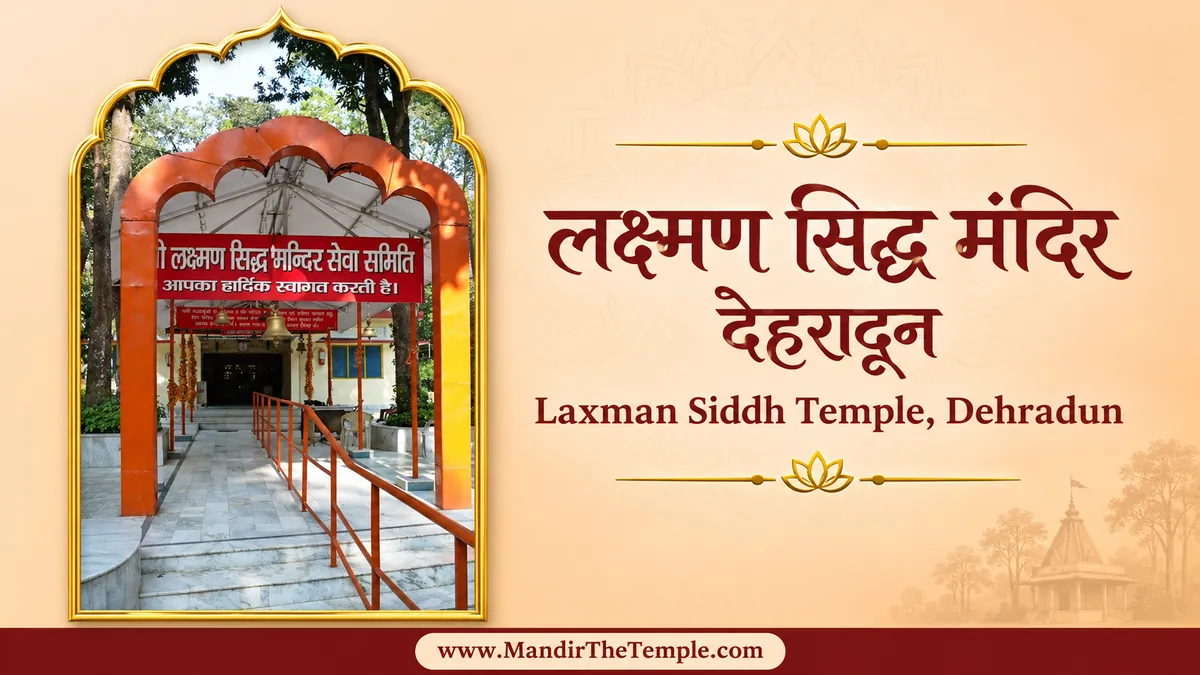
Among these sacred places is Laxman Siddh Temple Dehradun, also known as Lakshman Siddh Mandir or Laxman Sidh Temple.
Located near Harrawala on the Dehradun–Haridwar/Rishikesh route, approximately 12 kilometres from the city, Laxman Siddh is one of the four traditional Siddh Peeths of Dehradun. Surrounded by forest, the temple is associated with the spiritual practices and samadhi of a revered saint known as Swami Laxman Siddh.
The temple also has a place in local religious traditions connected with Lord Lakshman of the Ramayana, Guru Dattatreya and the Siddh saints.
Every Sunday, devotees visit the shrine to offer prayers and pay their respects at the sacred samadhi. The annual Laxman Siddh Mela, traditionally associated with the last Sunday of April, is especially important to the local community.
But what makes Laxman Siddh different from many other temples in Uttarakhand?
Its significance lies not in magnificent architecture or a famous mountain location, but in the relationship between a saint’s spiritual legacy, local faith, forest surroundings and traditions that have survived through generations.
This detailed guide explores the history of Laxman Siddh Temple, its religious importance, legends, worship practices, annual fair and practical information for visitors.
Laxman Siddh Temple – A Sacred Spiritual Landmark of Dehradun
A Temple Beyond the Busy City
The journey towards Laxman Siddh Temple takes visitors away from the busier parts of Dehradun and into an area where forests and smaller settlements create a different atmosphere.
Unlike temples situated in crowded city markets, Laxman Siddh has long been associated with a quieter natural environment.
The temple lies near Harrawala, along the route connecting Dehradun with Haridwar and Rishikesh. Its relatively accessible location makes it a popular place of worship among people living in Dehradun and nearby areas.
For local families, visiting Laxman Siddh is often part of a continuing religious tradition. Some come for regular Sunday prayers, while others visit on special occasions or during the annual fair.
Why Is Laxman Siddh Temple Famous?
The temple is particularly known for four reasons.
First, it is associated with Swami Laxman Siddh, a saint believed to have practised deep meditation and penance at this place.
Second, it is regarded as one of the Char Siddh Peeths of Dehradun, a group of four sacred sites linked by a common spiritual tradition.
Third, the temple has an important connection with local beliefs about Lord Lakshman and the Ramayana.
Finally, its Sunday gatherings and annual religious fair make it an important part of the cultural and devotional life of the Doon Valley.
The combination of these traditions gives Laxman Siddh a character that is both religious and historical.
Where Nature and Spirituality Meet
The natural setting is an important part of the temple’s identity.
The area around the shrine has traditionally been covered with sal forest, a characteristic feature of the Doon Valley and the adjoining Shivalik foothills.
Forests have occupied an important place in Indian spiritual traditions. Many sages and ascetics chose secluded natural locations for meditation, contemplation and the practice of tapasya.
Laxman Siddh reflects this connection between natural surroundings and spiritual discipline.
For visitors, the approach through the wooded landscape helps distinguish the shrine from Dehradun’s more urban religious places.
History of Laxman Siddh Temple Dehradun
The Historical Background of Laxman Siddh
The history of Laxman Siddh Temple is closely connected with religious traditions concerning saints who practised meditation in the forests around Dehradun.
The temple is generally associated with a spiritual figure known as Swami Laxman Siddh or Laxman Siddh Baba.
According to local tradition, the saint performed prolonged tapasya at this location and eventually attained samadhi.
The place subsequently became a centre of devotion, with followers visiting to remember the saint and seek spiritual blessings.
However, the precise date on which the original shrine was established is not securely documented in widely available historical records.
It is therefore more accurate to describe Laxman Siddh as an ancient shrine according to local belief than to assign it an exact age without reliable evidence.
Who Was Swami Laxman Siddh?
Swami Laxman Siddh is remembered in the religious traditions of Dehradun as an accomplished ascetic.
The word Siddh is associated with spiritual accomplishment or attainment. In different Indian religious traditions, it may refer to a person who has achieved a high level of spiritual discipline, knowledge or realisation.
According to local beliefs, Swami Laxman Siddh devoted his life to meditation, worship and spiritual practice.
He is also associated with the wider tradition of saints linked to Guru Dattatreya.
Detailed, independently verifiable biographical information about the saint is limited. His spiritual legacy is preserved primarily through religious traditions, local narratives and the continued worship of devotees.
The Samadhi of Laxman Siddh Baba
One of the most important features of Laxman Siddh Temple is its association with the saint’s samadhi.
A samadhi shrine is a sacred place connected with the final resting place or spiritual attainment of a revered saint.
In many Indian religious traditions, the samadhi of an accomplished spiritual teacher becomes a place where followers gather for remembrance, meditation and prayer.
At Laxman Siddh, the samadhi is central to the temple’s religious importance.
The Dehradun district administration specifically mentions devotees offering their respects at the samadhi during the temple’s religious fair.
This helps explain why the temple is not simply identified with the worship of a deity. It is also a place dedicated to the memory and spiritual legacy of a saint.
Is Laxman Siddh Temple Thousands of Years Old?
Many local narratives describe Laxman Siddh as an ancient sacred place.
Some traditions associate the shrine with the time of the Ramayana, while others link it with the penance of Siddh saints.
These beliefs give the temple considerable religious importance, but they should not be confused with independently verified archaeological dates.
Therefore, the exact age of Laxman Siddh Temple remains uncertain.
What can be said with confidence is that the shrine has an established place in Dehradun’s religious landscape and continues to attract devotees.
Mythological Story of Laxman Siddh Temple
The mythology of Laxman Siddh Temple is one of the most interesting aspects of its identity.
Two principal traditions are commonly associated with the shrine: one involving Lord Lakshman of the Ramayana and another concerning the saint Laxman Siddh.
The Connection with Lord Lakshman
According to a popular local legend, Lord Lakshman, the younger brother of Lord Rama, performed penance at this location.
In the Ramayana, Lakshman is remembered for his unwavering devotion to Rama, his courage and his participation in the battle against Ravana’s forces.
Some versions of the local legend connect his penance with spiritual purification after the war in Lanka.
The story reflects the importance of tapasya, humility and the search for spiritual peace in Hindu traditions.
However, this connection is a matter of local religious belief. It should not be presented as an event established by historical or archaeological evidence.
The Legend of Penance After the Ramayana War
In certain retellings of the Laxman Siddh tradition, Lord Lakshman is said to have sought spiritual atonement after the defeat of Ravana and his forces.
These stories are sometimes connected with the concept of Brahmahatya Dosh.
In Hindu religious literature, Brahmahatya refers to the grave sin of killing a Brahmin. Some later religious narratives associate the idea of atonement with the events of the Ramayana.
Local accounts may differ in their explanations of why Lakshman performed penance.
Rather than treating one version as an established historical fact, these narratives are best understood as part of the temple’s living religious tradition.
Their central message concerns spiritual responsibility, repentance and devotion.
Lord Lakshman and Swami Laxman Siddh – Are They the Same?
This is an important distinction because visitors sometimes assume that the temple is dedicated exclusively to Lord Lakshman.
The name Laxman Siddh is also associated with a revered saint believed to have meditated and attained samadhi at the location.
The temple’s samadhi tradition and its connection with the four Siddh Peeths point to the importance of this saintly association.
The legend of Lord Lakshman is another layer of the shrine’s religious identity.
Although the two traditions are related through the name Lakshman, there is insufficient reliable evidence to conclude that they refer to the same historical or spiritual figure.
Understanding this distinction helps visitors appreciate the temple without confusing mythology, oral tradition and documented history.
The Spiritual Meaning of the Legend
Whether interpreted literally or symbolically, the story of penance at Laxman Siddh carries an important message.
In Indian spiritual traditions, tapasya is not merely a physical act of austerity. It also represents self-discipline, concentration, devotion and the attempt to overcome personal limitations.
The association of Laxman Siddh with penance makes it a place where visitors reflect on patience, faith and inner peace.
For devotees, these meanings are as important as the historical origins of the shrine.
The Four Siddh Peeths of Dehradun – Char Siddh Yatra
One of the strongest reasons for the religious importance of Laxman Siddh Temple is its association with the four Siddh Peeths of Dehradun.
These shrines form a distinctive local pilgrimage tradition within the Doon Valley.
The four sacred sites are:
Laxman Siddh
Kalu Siddh
Manak Siddh
Mandu Siddh
Together, they are popularly known as the Char Siddh Peeths or Char Siddh Temples of Dehradun.
What Is a Siddh Peeth?
The expression Siddh Peeth refers to a sacred place associated with an accomplished saint, a spiritual practitioner or a tradition of spiritual attainment.
A Siddh Peeth is not necessarily the same as a Shakti Peeth.
Shakti Peeths are associated with specific traditions concerning Goddess Sati and the divine feminine, whereas the four Siddh Peeths of Dehradun are primarily connected with saints and their spiritual practices.
This distinction is useful because the similar terminology can sometimes create confusion.
Laxman Siddh Temple
Laxman Siddh is situated near Harrawala, towards the Haridwar/Rishikesh side of Dehradun.
The temple is associated with Swami Laxman Siddh and his samadhi.
It is particularly well known for its Sunday worship tradition and the annual fair held in April.
Its relatively convenient location has helped make it one of the more frequently visited Siddh shrines in the area.
Kalu Siddh Temple
Kalu Siddh Temple is situated near Kaluwala in the Bhaniyawala–Thano area of Dehradun district.
The shrine is associated with Sage Kalu, who is remembered in local traditions as one of the Siddh saints connected with Guru Dattatreya.
Like Laxman Siddh, Kalu Siddh is surrounded by a forest landscape.
One interesting local belief concerns the open-air character of the shrine, which is traditionally associated with the saint’s wishes.
Devotees visit the temple for prayer, and jaggery is a customary offering.
Manak Siddh Temple
Manak Siddh Temple is located in the Budhi Gaon area near Shimla Bypass Road.
The shrine is associated with Saint Manak Siddh.
According to traditional accounts, he practised meditation and devoted himself to spiritual discipline and the worship of Lord Shiva.
Manak Siddh is an important stop for people undertaking the four Siddh pilgrimage.
The temple continues to be visited by local devotees seeking blessings and participating in religious activities.
Mandu Siddh Temple
Mandu Siddh Temple, also called Madu Siddh, is located in the Premnagar–Phulsani area of Dehradun.
The shrine is associated with Saint Mandu Siddh.
It is known for its peaceful surroundings and traditions connected with meditation.
Local accounts also associate the temple with religious gatherings and community meals.
The different spellings of Mandu and Madu appear in travel guides and local usage, but they generally refer to the same Siddh shrine.
Comparison of the Four Siddh Peeths
| Siddh Peeth | General location | Principal association |
|---|---|---|
| Laxman Siddh | Harrawala, Dehradun–Haridwar Road | Swami Laxman Siddh and his samadhi |
| Kalu Siddh | Kaluwala, Bhaniyawala–Thano area | Sage Kalu Siddh |
| Manak Siddh | Budhi Gaon, Shimla Bypass area | Sage Manak Siddh |
| Mandu Siddh | Premnagar–Phulsani area | Sage Mandu Siddh |
All four temples are connected through the local tradition of accomplished saints who practised tapasya in different parts of the Doon Valley.
Guru Dattatreya and the 84 Siddh Tradition
According to traditional accounts, the four Siddh saints of Dehradun were associated with Guru Dattatreya.
In Hindu traditions, Dattatreya is regarded as a revered spiritual teacher associated with Brahma, Vishnu and Shiva.
He is also traditionally described as the son of Sage Atri and Mata Anasuya.
Some local narratives speak of 84 disciples who undertook spiritual practices at different locations.
Four of these saints—Laxman, Kalu, Manak and Mandu—are believed to have established their spiritual presence in the Dehradun region.
The number 84 carries symbolic and religious significance in several Indian spiritual traditions, including certain Siddha and Nath lineages.
The specific identification of the four Dehradun saints with Dattatreya’s disciples belongs to the local religious tradition rather than a universally agreed historical account.
What Is Char Siddh Yatra?
Char Siddh Yatra refers to the practice of visiting all four Siddh Peeths of Dehradun.
According to a popular belief, devotees who complete the pilgrimage with sincerity and discipline may receive spiritual blessings and the fulfilment of their wishes.
Some traditional accounts describe visiting the four shrines in a single day, sometimes while fasting.
These practices are expressions of faith rather than obligations for every visitor.
There is no need to undertake an unsafe or physically exhausting journey to demonstrate devotion.
Can All Four Siddh Temples Be Visited in One Day?
Yes, visiting all four temples in a single day is generally possible with a suitable vehicle, an early start and reasonable road conditions.
However, the temples are located in different parts of Dehradun, so the journey involves considerably more travel than visiting Laxman Siddh alone.
Visitors should check the locations, routes and opening hours beforehand.
For elderly travellers or families with children, dividing the pilgrimage into two visits may be more comfortable.
The spiritual value of the journey does not depend on travelling in a hurry.
Religious and Spiritual Significance of Laxman Siddh Temple
A Place Associated with Spiritual Accomplishment
Laxman Siddh is revered because of its association with a saint believed to have achieved spiritual attainment through meditation and devotion.
The Siddh tradition places considerable importance on inner discipline.
Rather than focusing only on external rituals, it emphasises the importance of concentration, restraint, spiritual practice and the guidance of accomplished teachers.
For many devotees, paying respects at a saint’s samadhi is a way of honouring these values.
Why Do Devotees Visit Laxman Siddh?
People visit Laxman Siddh Temple for different personal and religious reasons.
Some come to offer thanks for blessings they believe they have received.
Others visit before beginning important activities or during significant moments in family life.
Many come simply to pray, participate in temple traditions or spend time in a peaceful religious environment.
The belief that sincere prayer may help fulfil wishes is common in the local Siddh Peeth tradition.
However, these beliefs are spiritual and personal. They should not be interpreted as guaranteed results.
The Importance of Samadhi Worship
The presence of a samadhi gives Laxman Siddh a distinct character.
In a conventional Hindu temple, worship may be centred primarily on the idol or symbol of a deity.
At a samadhi shrine, devotion is also directed towards the memory and spiritual influence of an accomplished saint.
The practice expresses respect for the saint’s teachings, discipline and contribution to a religious tradition.
At Laxman Siddh, worship associated with the saint exists alongside Hindu devotional practices, including traditions involving Lord Shiva.
The Role of Faith in Dehradun’s Local Culture
The religious importance of Laxman Siddh is closely connected with the lives of nearby communities.
For generations, places such as this have served as centres of worship, social interaction and community gatherings.
Sunday visits and annual fairs bring people together beyond ordinary religious rituals.
Families meet, traditions are passed from elders to children, and the cultural identity of the area is reinforced.
This continuity is one of the reasons Laxman Siddh remains significant even as Dehradun continues to expand and modernise.
Temple Architecture and Natural Surroundings
The Temple Complex
Laxman Siddh is better known for its religious significance than for elaborate architecture.
The temple complex includes sacred spaces associated with the saintly tradition and Hindu worship.
Its character differs from large pilgrimage temples known for monumental towers or extensive sculptural decoration.
Here, the emphasis is on the shrine, the samadhi and the atmosphere of devotion.
Visitors should approach the complex as an active place of worship rather than simply an architectural monument.
The Sacred Dhuni Tradition
An interesting feature mentioned in accounts of Laxman Siddh is the tradition of a sacred fire or dhuni.
In several Indian ascetic traditions, a dhuni is a fire maintained in connection with spiritual practice.
It may symbolise purification, discipline, devotion and continuity in a saintly lineage.
Traditional descriptions of Laxman Siddh refer to a sacred fire associated with the shrine.
The Sal Forest Around Laxman Siddh
The forest setting contributes considerably to the appeal of the temple.
Sal trees are characteristic of many forests in the Doon Valley and Shivalik region.
Their tall trunks and broad canopy create a distinctive landscape, especially during the greener months of the year.
The wooded environment also helps explain why the site became associated with spiritual contemplation.
Indian sages traditionally sought quiet natural surroundings where everyday distractions were limited.
Although Dehradun has changed significantly over time, the relationship between the shrine and its forest landscape remains central to its identity.
Preserving the Natural Environment
Visitors have an important role in protecting the surroundings.
Plastic wrappers, disposable plates and discarded offerings can harm the forest environment and attract animals.
It is better to carry reusable water bottles, use designated waste bins and avoid leaving food in the open.
The temple’s spiritual importance should encourage respect not only for the shrine but also for the natural setting in which it stands.
Puja, Offerings and Worship Traditions at Laxman Siddh
How Is Worship Performed at Laxman Siddh?
Devotees generally visit the shrine to offer prayers and pay respects at the samadhi.
The exact order of worship may depend on the temple’s customary practices and the guidance of priests or attendants.
A first-time visitor does not need to perform an elaborate ritual.
Entering respectfully, observing the customary rules, offering prayers and maintaining a peaceful atmosphere are sufficient for an ordinary visit.
Why Is Jaggery Offered at Laxman Siddh Temple?
One of the distinctive offerings associated with the four Siddh Peeths of Dehradun is jaggery, locally called gur.
Jaggery has a long history in Indian religious and community traditions.
It is associated with sweetness, hospitality and auspicious occasions.
At the Siddh temples, offering gur is a familiar local custom.
Traditional accounts suggest that simple offerings such as jaggery were accessible to ordinary devotees and became part of the local worship tradition.
Visitors may bring a modest quantity of jaggery if it is accepted under the temple’s current practices.
It is always advisable to follow the instructions of the priests or temple management rather than assuming that every type of offering is permitted.
Prasad and Other Offerings
Prasad is an important part of Hindu devotional practice.
At Laxman Siddh, the tradition of jaggery offerings is especially well known.
Some local descriptions also mention other customary food offerings and the distribution of sacred ash associated with the dhuni.
Practices can vary with temple arrangements and religious occasions.
Visitors should avoid bringing excessive quantities of food or leaving offerings unattended.
Sunday Worship at Laxman Siddh
Sunday has special importance at the temple.
The Dehradun district administration describes a local religious fair taking place every Sunday.
This makes Sunday particularly suitable for devotees who wish to experience the temple’s community worship traditions.
However, people looking for a quieter visit may prefer another day.
Sundays can bring larger crowds, especially during favourable weather or religious occasions.
Bhandara and Community Meals
The tradition of bhandara, or community food distribution, is associated with many Siddh shrines.
Devotees may organise meals as an expression of gratitude, devotion or service.
Such gatherings also reflect the social role of religious institutions.
Food is shared, volunteers assist with arrangements and visitors participate in a collective religious experience.
The availability and timing of bhandara at Laxman Siddh may vary, so visitors should not assume that meals are distributed at fixed hours every day.
Laxman Siddh Mela – The Famous Sunday Fair and Annual Festival
Why Is Sunday Special?
Sunday gatherings are one of the most distinctive traditions of Laxman Siddh Temple.
Devotees from Dehradun and surrounding settlements visit the shrine to pray and participate in local religious activities.
The weekly gathering creates a lively atmosphere around a place that is otherwise associated with the quietness of a forest shrine.
It also provides an opportunity for families to maintain their connection with the temple over generations.
Laxman Siddh Annual Fair
The most important annual gathering is commonly known as the Laxman Siddh Mela or Laxman Siddha Fair.
According to the Dehradun district administration, the last Sunday of April holds special religious significance.
Large numbers of devotees gather at the temple during this occasion to offer their respects at the samadhi.
The fair is part of the cultural and religious calendar of the Doon Valley.
It represents more than a single day of worship. It is also an occasion when local traditions, community participation and devotional practices come together.
When Is Laxman Siddh Mela Held?
The annual fair is traditionally associated with the last Sunday of April.
For example, the last Sunday of April 2027 falls on 25 April 2027.
This date follows the traditional calendar pattern, but visitors should confirm the temple’s official arrangements and any announcements for the relevant year.
The precise programme, crowd-management arrangements and religious activities may change.
What Happens During the Fair?
The principal religious activity is paying respects at the shrine and samadhi.
Devotees may offer prayers, participate in customary worship and join community activities.
The gathering also provides an opportunity to experience the religious culture of the local region.
Depending on arrangements, the area may become busy with worshippers, volunteers and visitors.
Families planning to attend should allow extra time for travel and darshan.
Tips for Visiting During the Annual Mela
The annual fair can be a memorable experience, but it requires more planning than an ordinary visit.
Arriving early is advisable because the approach roads and temple grounds may become crowded.
People travelling with children or elderly family members should stay together and identify a convenient meeting point.
Carry drinking water, wear comfortable footwear and avoid bringing unnecessary valuables.
Visitors should also respect any temporary arrangements introduced by local authorities or temple management.
Laxman Siddh Temple Timings and Best Time to Visit
What Are the Opening and Closing Timings?
Several travel guides list the general visiting hours of Laxman Siddh Temple as approximately 6:00 AM to 7:00 PM.
These hours should be treated as indicative rather than an officially confirmed daily schedule.
Temple timings can vary because of seasonal conditions, religious observances, management decisions or special events.
If you are travelling from outside Dehradun, it is advisable to confirm the current timings locally before your journey.
Is Laxman Siddh Temple Open Every Day?
Travel sources generally describe the temple as accessible throughout the week.
However, ordinary access and the timings of specific religious ceremonies are not necessarily the same.
A visitor interested in a particular puja or aarti should check its schedule separately.
Best Day to Visit Laxman Siddh Temple
The best day depends on what kind of experience you want.
Sunday is ideal for people who wish to observe the temple’s traditional weekly gathering and devotional atmosphere.
Weekdays may be more comfortable for visitors seeking a peaceful environment, particularly those travelling with senior citizens.
The annual fair is suitable for those interested in larger religious gatherings and local traditions.
Best Season to Visit
Dehradun experiences distinct seasonal changes.
October to March: Cooler weather generally makes daytime visits comfortable. Winter mornings can be cold, so carrying a light jacket or warm clothing is sensible.
April to June: The weather becomes warmer, especially during May and June. Morning visits are usually more pleasant than the hottest part of the afternoon.
July to September: Monsoon rains make the surrounding vegetation greener, but visitors should be prepared for wet roads, slippery surfaces and occasional travel disruption.
For a comfortable visit, the cooler months and pleasant spring days are generally good choices.
How Much Time Is Needed for Darshan?
For an ordinary visit, approximately 30–60 minutes may be sufficient for darshan and a brief walk around the temple complex.
Visitors who wish to spend time in quiet prayer may prefer to allow longer.
On Sundays or during the annual fair, additional time may be needed because of crowds.
Laxman Siddh Temple Location and How to Reach
Where Is Laxman Siddh Temple Located?
Laxman Siddh Temple is located near Harrawala, on the Dehradun–Haridwar/Rishikesh side of the city, in Uttarakhand.
It is generally described as being approximately 12 kilometres from Dehradun, although the exact road distance depends on the starting point and chosen route.
The approach takes visitors away from the main highway towards the temple’s forest surroundings.
Distance from Important Locations
The following distances are approximate and may vary according to the route.
| Starting point | Approximate distance |
|---|---|
| Dehradun city | 12 km |
| Dehradun Railway Station | 10–12 km |
| Jolly Grant Airport | 16 km |
| Harrawala area | Short local approach; exact distance depends on starting point |
Visitors should verify their exact journey using a current navigation service.
How to Reach from Dehradun Clock Tower
Dehradun Clock Tower, also called Ghanta Ghar, is a convenient reference point for travellers staying in the city centre.
From the Clock Tower area, visitors can travel towards the Dehradun–Haridwar/Rishikesh road and continue towards Harrawala.
After reaching the appropriate approach road, follow local signs or navigation directions towards Laxman Siddh Temple.
The exact journey time will depend on traffic and road conditions.
How to Reach from Dehradun Railway Station
Dehradun Railway Station is the principal railway terminal for travellers arriving in the city.
From the station, visitors can hire a taxi or arrange a private vehicle to the temple.
Public transport towards Harrawala may also be available, although the last section may require additional local transport or walking.
A direct taxi is usually the more convenient option for families, especially when travelling with elderly members.
How to Reach from Jolly Grant Airport
Jolly Grant Airport serves the Dehradun region and is situated towards the Rishikesh side of the valley.
The airport is approximately 16 kilometres from Laxman Siddh Temple according to commonly published travel information.
Visitors arriving by air can arrange a taxi and use the relevant road route towards Harrawala.
Reaching the Temple by Bus or Public Transport
Travellers relying on public transport can look for services towards Harrawala and the Haridwar/Rishikesh road.
Some travel guides describe an approach involving a short walk of approximately one kilometre from the main road or public transport stop.
The actual walking distance depends on where the vehicle stops and which approach is being used.
Public transport availability may vary, particularly in the early morning or evening.
For convenience, confirm local services before travelling.
Parking and Vehicle Access
Visitors travelling by car should follow the designated approach and use parking facilities where permitted.
The availability of parking spaces may depend on crowds and local arrangements.
On ordinary weekdays, access may be easier than during Sundays or the annual fair.
During large gatherings, authorities may introduce temporary traffic controls.
Drivers should not park on narrow access roads or obstruct routes used by other visitors and emergency vehicles.
A Practical Visitor’s Guide to Laxman Siddh Temple
What to Expect on Your First Visit
A visit to Laxman Siddh is different from visiting a large commercial tourist attraction.
The central purpose of the place is worship and spiritual remembrance.
Visitors can expect a temple environment where religious customs and local community practices are important.
Taking a few moments to observe how other devotees behave can make the visit more comfortable.
Dress Code and Temple Etiquette
There is no widely verified requirement for a special dress code.
However, modest and comfortable clothing is appropriate.
Footwear should be removed wherever required, and visitors should respect signs indicating restricted areas.
Maintain a calm atmosphere near the samadhi and during worship.
Avoid blocking passageways or disturbing people who are praying.
What Should You Carry?
For an ordinary visit, a small bottle of drinking water, comfortable footwear and weather-appropriate clothing are useful.
If you wish to make an offering, check which items are accepted.
Jaggery is a commonly mentioned traditional offering.
There is no need to carry large quantities of prasad or expensive religious materials.
Visiting with Senior Citizens and Children
Families travelling with elderly members should plan the visit according to individual mobility and comfort.
It is advisable to check the condition of the final approach, parking availability and walking distance.
Avoid the busiest periods if anyone in your group finds standing in queues difficult.
Children should be supervised, particularly near roads, forested areas or crowded sections of the temple complex.
Accessibility and Facilities
Detailed, independently verified information about wheelchair access, accessible toilets and other facilities is limited.
Visitors with mobility requirements should therefore confirm the present arrangements before travelling.
Likewise, the availability of drinking water, seating, food stalls and toilets should not be assumed without current verification.
Photography at Laxman Siddh Temple
The temple and its natural surroundings may interest visitors who enjoy photography.
However, photography should never interfere with worship.
Always check whether photographs are permitted inside the main shrine or near the samadhi.
Avoid photographing devotees without their permission, particularly during personal religious rituals.
Drones or professional photography equipment should not be used without the necessary permissions.
Respecting the Forest Environment
The surrounding forest is part of the experience and should be treated carefully.
Visitors should not feed monkeys or other wildlife.
Food waste can attract animals and alter their natural behaviour.
Stay on designated paths, avoid unnecessary noise and do not remove plants or other natural materials.
A responsible visit helps protect the place for future generations.
Places to Visit Near Laxman Siddh Temple
Laxman Siddh can be included in a wider religious visit around Dehradun.
The most directly connected places are the other three Siddh Peeths.
Kalu Siddh Temple
Kalu Siddh is an important option for visitors interested in the Siddh traditions of the Doon Valley.
Its association with Sage Kalu and its forest setting make it a natural continuation of the spiritual theme.
Travellers should check the approach road before leaving Laxman Siddh.
Manak Siddh Temple
Manak Siddh offers visitors another opportunity to understand the four Siddh shrine tradition.
Located towards the Shimla Bypass side of Dehradun, it can be included in a planned Char Siddh itinerary.
Mandu Siddh Temple
Mandu Siddh, near the Premnagar–Phulsani area, completes the group of four.
Its local religious traditions and quieter setting make it significant for pilgrims interested in the complete circuit.
Other Religious Places in Dehradun
Visitors staying in Dehradun may also consider exploring other well-known religious places on separate outings.
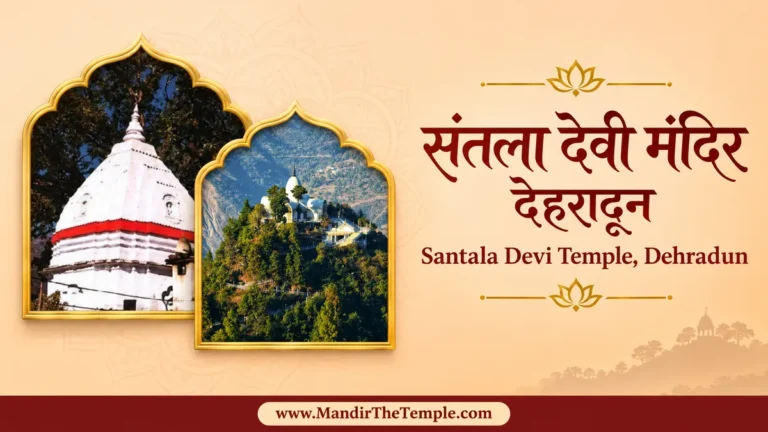
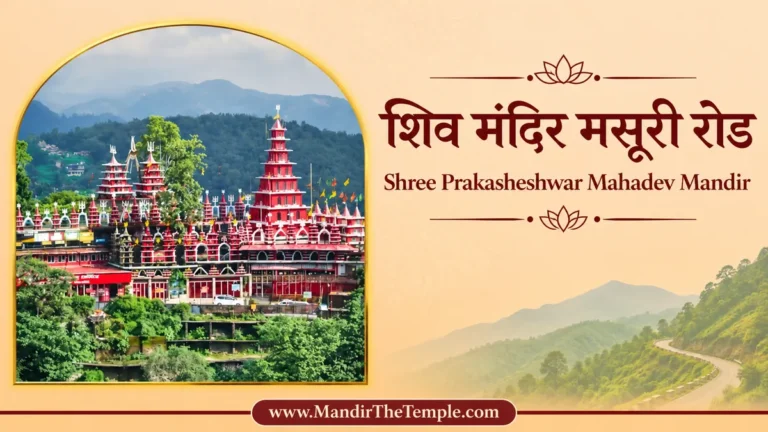
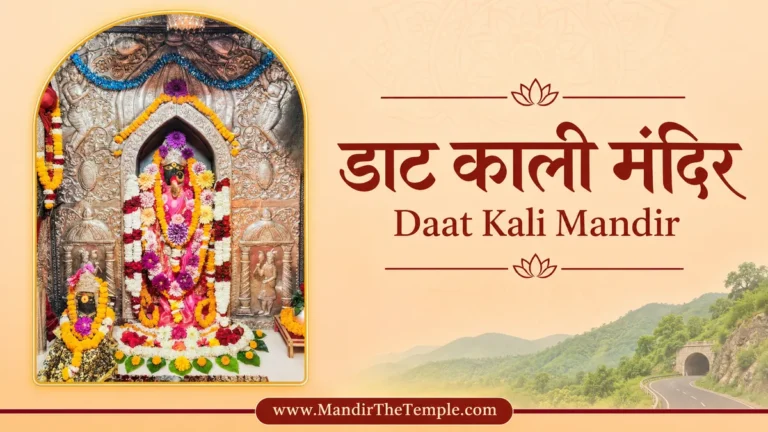
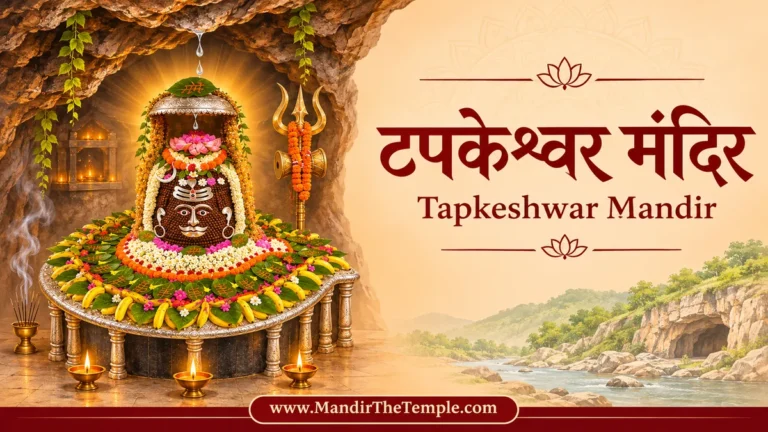
These include Tapkeshwar Mahadev Temple, Daat Kali Mandir, Santala Devi Temple and Shri Prakasheshwar Mahadev Mandir.
Each has a different historical or religious identity.
Tapkeshwar is known for its natural cave shrine associated with Lord Shiva.
Daat Kali is a major roadside shrine associated with Goddess Kali.
Santala Devi is known for its hilltop location and local religious traditions.
Prakasheshwar Mahadev, situated on Mussoorie Road, offers another distinctive temple experience.
These sites are not all located close to Laxman Siddh, so visitors should plan routes according to their available time.
Lesser-Known Facts About Laxman Siddh Temple
It Is Both a Temple and a Samadhi Shrine
Many descriptions focus on Laxman Siddh as a Hindu temple, but its association with a saint’s samadhi is central to its identity.
This explains why devotion at the site includes respect for an accomplished spiritual figure as well as conventional worship practices.
Understanding this helps distinguish Laxman Siddh from temples primarily centred on a deity’s image.
Its Religious Identity Includes Multiple Traditions
The temple is connected with several overlapping narratives.
These include the saint Laxman Siddh, the traditions of Guru Dattatreya, the worship of Lord Shiva and the local legend concerning Lord Lakshman.
Religious places often accumulate different traditions over time.
The existence of multiple narratives does not mean that all must be interpreted as literal historical accounts.
Instead, each tells us something about how communities have understood the sacred importance of the site.
Sunday Is an Important Part of Its Identity
Most temples experience increased attendance on particular festivals or days associated with their principal deity.
At Laxman Siddh, Sunday has a broader local religious significance.
This weekly pattern has helped sustain the connection between the temple and nearby communities.
The annual April gathering adds another important element to this tradition.
The Forest Is Part of Its Heritage
Laxman Siddh’s location is not simply a geographical detail.
The forest has shaped the religious image of the shrine as a place of meditation and retreat.
As urban development continues around Dehradun, preserving this natural setting becomes increasingly important.
The relationship between sacred places and their surrounding landscapes is an important part of Uttarakhand’s cultural heritage.
The Four Siddh Temples Form a Distinct Local Pilgrimage
Many visitors know Uttarakhand primarily through the Char Dham Yatra.
However, the Char Siddh tradition of Dehradun represents a smaller, regionally important pilgrimage.
It connects four places associated with saints rather than the four major Himalayan pilgrimage temples.
The two traditions should not be confused.
The Char Siddh Yatra offers an opportunity to explore a less widely discussed aspect of the Doon Valley’s religious history.
Conclusion – The Enduring Spiritual Legacy of Laxman Siddh Temple
Laxman Siddh Temple holds a special place in the spiritual and cultural landscape of Dehradun.
Its importance comes from several connected traditions: the memory of Swami Laxman Siddh, the sacred samadhi, the local legends involving Lord Lakshman and its association with the four Siddh Peeths of the Doon Valley.
The temple’s forest surroundings add another dimension to its character, reminding visitors of the long relationship between nature and spiritual practice in India.
For devotees, the shrine is a place of prayer and faith. For those interested in regional history, it offers an opportunity to understand local religious customs and the ways in which spiritual traditions are preserved.
The weekly Sunday gatherings and annual Laxman Siddh Mela demonstrate how the temple continues to bring people together.
A visit to Laxman Siddh can also be the beginning of a wider exploration of the Char Siddh Peeths of Dehradun, including Kalu Siddh, Manak Siddh and Mandu Siddh.
Whether you visit for darshan, spiritual reflection or an interest in Uttarakhand’s heritage, approaching the temple with respect for its traditions and natural environment makes the experience more meaningful.
Laxman Siddh Temple is not simply a religious destination near Dehradun. It is part of the Doon Valley’s living heritage—a place where local faith, saintly traditions and the quiet forest landscape continue to meet.
Also read: More famous temples of Dehradun: Tapkeshwar Temple, Daat Kali Temple, Santala Devi Temple and Shiv Mandir Mussoorie Road (Shree Prakasheshwar Mahadev Mandir)
Stay connected: Watch bhajans, aartis and temple videos on our YouTube channel, and follow us on Instagram and Facebook for daily updates.
Frequently asked questions
Where is Laxman Siddh Temple located?
Laxman Siddh Temple is situated near Harrawala on the Dehradun–Haridwar/Rishikesh side of Dehradun, Uttarakhand.
Why is Laxman Siddh Temple famous?
It is famous for its association with Swami Laxman Siddh, the saint’s samadhi, its status as one of the four Siddh Peeths of Dehradun and its Sunday religious gatherings.
What is the history of Laxman Siddh Temple?
The temple is traditionally associated with a saint who performed tapasya at this location. The exact date of the shrine’s foundation is not securely established in widely available historical records.
Who was Swami Laxman Siddh?
Swami Laxman Siddh is remembered in local religious traditions as an accomplished ascetic associated with meditation, spiritual discipline and the Siddh tradition.
Is Laxman Siddh Temple connected with Lord Lakshman?
Yes. A popular local legend associates the temple with penance performed by Lord Lakshman after the events of the Ramayana. This connection belongs to religious tradition rather than verified history.
What are the four Siddh Peeths of Dehradun?
The four traditional Siddh Peeths are Laxman Siddh, Kalu Siddh, Manak Siddh and Mandu Siddh.
What are Laxman Siddh Temple timings?
Travel guides commonly list approximate visiting hours of 6:00 AM to 7:00 PM. Visitors should confirm the current timings locally, particularly before travelling from outside Dehradun.
Is Laxman Siddh Temple open on Sunday?
Yes, Sunday is an especially important day for worship at the temple. The Dehradun district administration describes a local religious fair held every Sunday.
When is the Laxman Siddh Mela held?
The annual Laxman Siddh Mela is traditionally associated with the last Sunday of April. The exact programme should be confirmed for the relevant year.
How far is Laxman Siddh Temple from Dehradun?
The temple is approximately 12 kilometres from Dehradun, according to official district tourism information. The precise distance depends on your starting location.
How can I reach Laxman Siddh Temple from Harrawala?
Visitors can use local roads towards the temple or take available transport and walk the remaining distance where necessary. Current navigation directions are recommended.
What is offered at Laxman Siddh Temple?
Jaggery, or gur, is one of the best-known traditional offerings associated with Laxman Siddh and the other Siddh shrines of Dehradun.
Is there an entry fee for Laxman Siddh Temple?
A reliably verified current entry-fee schedule is not available in the sources reviewed for this guide. Visitors should check locally for any applicable charges or arrangements.
Is parking available near Laxman Siddh Temple?
Vehicle access and parking arrangements may vary. Visitors should follow the designated parking instructions, particularly on Sundays and during the annual fair.
What is the best time to visit Laxman Siddh Temple?
October to March generally offers pleasant conditions for daytime visits. Sunday is suitable for experiencing traditional worship, while weekdays may be quieter.
Can all four Siddh temples be visited in one day?
Yes, a one-day Char Siddh Yatra is generally possible with suitable transport and planning. However, visiting the temples on separate days may be easier for families and elderly travellers.
Is Laxman Siddh Temple suitable for a family visit?
Yes, families visit the shrine for religious purposes. Those travelling with small children or people with mobility difficulties should check the approach and facilities beforehand.
Is photography allowed at Laxman Siddh Temple?
Photography restrictions may apply in specific religious areas. Visitors should seek permission before taking photographs inside the shrine or during worship.
What is the connection between Laxman Siddh and Guru Dattatreya?
According to local tradition, the four Siddh saints of Dehradun are associated with the disciples of Guru Dattatreya. This association is part of the region’s religious heritage.
Is Laxman Siddh Temple the same as Lakshman Temple at Hemkund Sahib?
No. Laxman Siddh Temple near Dehradun and Lakshman Temple near Hemkund Sahib are separate religious places in Uttarakhand, with different locations and traditions.