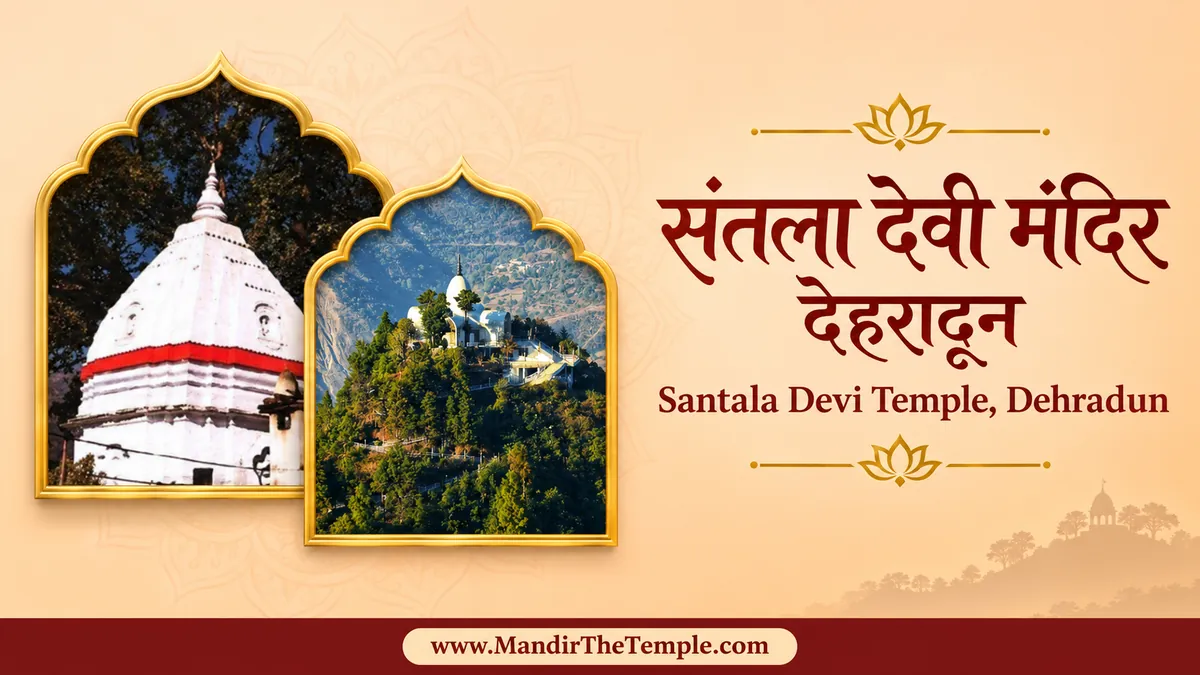
Dehradun is widely admired for its green valleys, pleasant climate, forested hills and beautiful surroundings. Yet beyond the city’s popular tourist attractions lies a quieter spiritual side, where ancient beliefs, local traditions and natural landscapes come together. One such place is Santala Devi Temple Dehradun, a revered hilltop shrine dedicated to Maa Santala Devi and her brother.
Located near Santur Garh, approximately 15 kilometres from Dehradun city, the temple stands amid dense greenery above the Nun River, locally known as Nun Nadi. Unlike many city temples that can be reached directly by road, visiting Santala Devi involves a short but meaningful uphill trek through the surrounding hills.
For devotees, the journey is an expression of faith. For nature enthusiasts, it offers a peaceful escape from the busy streets of Dehradun. For those interested in regional history and folklore, the temple carries a remarkable story of courage, resistance, devotion and divine protection.
The temple is especially associated with Saturday worship, when many devotees climb the hill to seek the blessings of Maa Santala Devi. Its religious traditions, connection with a legendary brother and sister, and beautiful hilltop setting make it one of Dehradun’s distinctive pilgrimage destinations.
This comprehensive guide explores the history of Santala Devi Temple, its traditional legend, religious significance, trekking routes, location, darshan information, best time to visit and everything travellers should know before planning their journey.
1. Santala Devi Temple Dehradun – An Overview
Santala Devi Temple is a Hindu religious shrine situated on a forest-covered hill in the western part of Dehradun, Uttarakhand.
It is commonly associated with the localities of Garhi Cantt, Jaitunwala, Punjabiwala and Santur Garh. The official Dehradun Nagar Nigam website identifies the temple as a hilltop shrine near Jahariwala, reached by walking approximately two kilometres from Punjabiwala.
The temple’s spiritual identity is unusual because devotees worship not only Maa Santala Devi but also her brother, who plays an essential role in the local legend.
Quick Facts About Santala Devi Temple
| Particular | Information |
|---|---|
| Temple name | Santala Devi Temple |
| Other names | Santla Devi, Santaula Devi, Santaura Devi Temple |
| Hindi name | संतला देवी मंदिर, देहरादून |
| Main deity | Maa Santala Devi |
| Associated deity | Brother of Santala Devi |
| Religious tradition | Hindu goddess worship |
| Location | Santur Garh, near Punjabiwala and Jaitunwala, Dehradun |
| State | Uttarakhand, India |
| Approximate distance | 15–16 km from central Dehradun |
| Trekking distance | Approximately 2 km from Punjabiwala |
| Important worship day | Saturday |
| Major religious occasion | Navratri |
| Suitable for | Devotees, pilgrims, walkers and nature lovers |
| Main attraction | Hilltop shrine, local legend and forest surroundings |
These distances are approximate. The exact journey depends on the starting point, selected road and walking route.
Why Is Santala Devi Temple Famous?
Santala Devi Temple is known for three important reasons.
First, it is a place of devotion where worshippers seek the blessings of Maa Santala Devi, traditionally regarded as a manifestation of divine feminine power.
Second, the shrine is associated with the story of Santala Devi and her brother, who, according to local belief, received divine protection when confronted by attacking forces.
Third, its hilltop location makes the pilgrimage physically different from visiting a roadside temple. Visitors must leave their vehicles behind and continue on foot, experiencing the surrounding forest and hillside before reaching the sacred site.
Together, these elements give Santala Devi Temple a distinctive place among the religious destinations of Dehradun.
2. History of Santala Devi Temple – Faith, Folklore and Santur Garh
The history of Santala Devi Temple is closely connected with local oral traditions. Although the shrine is widely described as ancient, establishing its exact age is difficult because reliable historical records concerning its original construction are not readily available.
Its story has been preserved largely through religious belief, community narratives and accounts repeated across generations.
Santur Garh and the Temple’s Historical Setting
The temple is situated in the Santur Garh area, a name that is associated in local tradition with a former hill fort.
In the Himalayan foothills, elevated settlements and fortified positions historically served defensive purposes. Hills offered a natural advantage, allowing inhabitants to observe approaching movement and take shelter in difficult terrain.
According to the traditional account of Santala Devi, a fortified residence once stood in this area. The later temple is believed to occupy a place associated with that structure.
However, the existence, precise boundaries and construction period of the legendary fort have not been established through archaeological documentation.
It is therefore more accurate to describe Santur Garh as a place associated with the temple’s traditional history rather than to present the entire legend as a verified military event.
Was Santala Devi Originally a Princess?
One widely circulated version of the story describes Santala Devi as the daughter of a ruler from Nepal.
According to this tradition, she left her homeland with her brother after facing a threat from a powerful ruler who wished to marry her against her will.
The siblings eventually reached the hills near present-day Dehradun, where they took refuge in a fortified location.
This account is significant because it portrays Santala Devi not simply as a divine figure but as a woman remembered for courage, independence and refusal to surrender to unwanted authority.
Some versions name her brother Santaur Singh, while other accounts refer to him without a specific name.
The princess narrative remains part of regional folklore. The identity of the supposed Nepalese king and the exact historical period have not been conclusively established.
Was the Temple Built During the Mughal Period?
Many descriptions of Santala Devi Temple connect the legend with an attack by Mughal forces.
However, there is a chronological problem in some published versions. Certain retellings place the story in the eleventh century while also referring to the Mughal Empire.
The Mughal Empire was established in northern India in 1526, several centuries after the eleventh century.
Consequently, these two details cannot both be accepted literally without further historical explanation.
It is possible that different versions of the story developed over time, combining older local traditions with later historical references. Yet this remains an interpretation rather than a proven conclusion.
For readers interested in the temple’s authentic history, the distinction matters.
The religious importance of Santala Devi Temple is well established within local devotion, but the precise historical dates and identities in its origin legend require independent evidence.
From a Sacred Hill to a Place of Pilgrimage
Whatever its earliest origins, Santala Devi Temple has become an enduring centre of worship for people in Dehradun and nearby regions.
The shrine’s location above the Nun River, its association with the goddess and her brother, and its particular importance on Saturdays have helped preserve its identity.
Over time, paths and visitor facilities have made the pilgrimage more accessible, although reaching the temple still involves walking uphill.
For many local families, a visit to Santala Devi is not merely sightseeing. It is part of a continuing religious tradition connecting generations with the same sacred hill.
3. The Sacred Legend of Maa Santala Devi and Her Brother
The best-known story associated with Santala Devi Temple is the legend of the goddess and her brother transforming into stone figures after seeking divine protection.
This narrative is central to the temple’s religious identity.
The Journey from Nepal to the Hills of Dehradun
According to local belief, Santala Devi was a princess whose beauty and character attracted the attention of a powerful ruler.
When an unwanted marriage proposal threatened her freedom, she chose to leave her homeland rather than accept the arrangement.
Her brother accompanied her on the difficult journey through the Himalayan region.
The two eventually reached the hills near Dehradun and established themselves at a protected location associated with Santur Garh.
For a time, the hill provided refuge from the dangers they had left behind.
The Attack on the Hill Fort
The story continues that hostile forces discovered their location and advanced towards the fort.
Santala Devi and her brother attempted to resist the attackers.
However, the opposing force was said to be much larger, making continued defence increasingly difficult.
At this critical moment, the siblings faced a choice between surrender and placing their faith in divine protection.
The Miracle of the Divine Light
According to the traditional narrative, Santala Devi and her brother laid down their weapons and began praying.
As they surrendered themselves to divine will, a brilliant light appeared.
The legend says that both siblings were transformed into stone figures, protecting them from capture and preserving their sacred presence at the site.
In some versions, the divine radiance also prevented the attackers from approaching.
The event is traditionally associated with a Saturday, giving that day special importance in the temple’s worship practices.
A shrine was subsequently established at the location where devotees believe this transformation occurred.
What Does the Legend Symbolise?
Religious stories often carry meanings that extend beyond literal historical events.
For devotees, the Santala Devi legend represents unwavering faith, protection against injustice, personal courage and the power of surrendering to the divine.
It is also a story of loyalty between a sister and brother, whose relationship remains remembered through their joint worship.
The transformation into stone figures may be understood within devotional tradition as a sign of their continuing sacred presence.
These interpretations help explain why the legend remains meaningful to worshippers today.
Is the Transformation into Stone a Historical Fact?
There is no independently verified historical evidence establishing that two human beings physically transformed into stone.
The account belongs to the temple’s religious folklore and should be understood within that context.
This does not diminish its cultural importance.
For generations of devotees, the story has expressed their beliefs about the goddess’s protection and the sacred nature of the hill.
Preserving the story accurately, while clearly identifying it as tradition, respects both religious sentiment and historical understanding.
4. Religious Significance of Santala Devi Temple
Santala Devi Temple holds an important place in local Hindu devotional practice.
Maa Santala Devi is popularly regarded as a form of Goddess Durga or Shakti, the divine feminine energy associated with strength, protection and the defeat of harmful forces.
Maa Santala Devi and the Tradition of Shakti Worship
In Hinduism, Shakti represents divine power and the energy through which the universe is sustained.
Goddess Durga is especially associated with courage, protection and the triumph of righteousness.
Devotees of Santala Devi interpret the goddess’s story through these spiritual ideas.
Her refusal to surrender, the protection described in the legend and the continuity of worship at the hilltop shrine contribute to her identity as a powerful mother goddess.
However, Santala Devi Temple is a local shrine with its own traditions. It should not automatically be described as one of the classical Shakti Peethas associated with the legend of Goddess Sati unless authoritative evidence establishes that classification.
Why Are Santala Devi and Her Brother Worshipped Together?
An especially distinctive feature of the shrine is the presence of Santala Devi’s brother in the worship tradition.
In the popular legend, he accompanies her during her journey, protects her and shares her final act of prayer.
Their joint remembrance symbolises mutual loyalty and devotion.
Rather than focusing solely on a goddess in isolation, the temple preserves the sacred relationship between two figures connected by family and faith.
This makes the shrine an interesting example of how local religious traditions can develop around specific historical or legendary personalities.
Why Is Saturday Special at Santala Devi Temple?
Saturday is considered particularly auspicious for visiting Maa Santala Devi.
According to the temple’s legend, the divine event involving Santala Devi and her brother occurred on a Saturday.
As a result, many devotees choose this day for darshan and prayers.
The Dehradun Nagar Nigam website also identifies Saturday as an important day when the temple receives larger numbers of worshippers.
Visitors who prefer a quieter environment may find an ordinary weekday more comfortable, while those interested in experiencing the established local worship tradition may choose Saturday.
Prayers, Wishes and Devotional Beliefs
Devotees visit Santala Devi Temple with different personal intentions.
Some pray for family well-being, protection, peace and strength during difficult circumstances. Others visit to express gratitude or fulfil religious vows.
A local tradition also associates the goddess with prayers for children and family happiness.
A story repeated in some accounts describes a childless officer whose prayers at the shrine were followed by the birth of a child.
This is a devotional anecdote, not medical evidence that temple worship can treat infertility.
For believers, such narratives express faith in divine blessings. Medical conditions, including difficulties conceiving, still require appropriate professional evaluation and treatment.
The Sacred Banyan Tree and Prayer Traditions
A notable devotional practice reported at the temple involves a banyan tree within the premises.
Some devotees perform parikrama, or circumambulation, around the tree and tie a sacred thread or chunri while praying for a wish.
In Hindu tradition, the banyan tree is often associated with longevity, continuity and spiritual significance.
Visitors wishing to participate should follow the directions of the temple priests and avoid tying materials in ways that could damage the tree.
5. Temple Architecture and Spiritual Atmosphere
Santala Devi Temple is not primarily known for monumental architecture or elaborate decorative structures.
Its distinctive character comes from the relationship between the shrine and its natural surroundings.
The temple stands on an elevated hill, with the surrounding forest contributing to its quiet, secluded atmosphere.
A Shrine Shaped by Its Hilltop Setting
The uphill approach creates a gradual transition from the road and nearby settlements to the sacred space.
As visitors ascend, the sounds of traffic become less prominent and the landscape becomes increasingly dominated by trees, hillside paths and open views.
Near the shrine, religious activity becomes more visible through devotees, offerings, bells and the temple premises.
The final experience is therefore different from arriving at a large urban temple complex.
Stone Figures and Sacred Representation
The stone figures associated with Santala Devi and her brother are significant because of their connection with the temple’s origin legend.
According to devotees, these forms preserve the sacred presence of the siblings.
The figures should be understood within the shrine’s living worship tradition rather than treated simply as archaeological objects.
Why the Natural Setting Matters
The surrounding greenery is an essential part of the pilgrimage experience.
Forests provide shade along parts of the approach, while the hilltop setting offers opportunities to appreciate the landscape around Dehradun.
The combination of physical effort, quiet surroundings and devotional activity creates a memorable journey for many visitors.
6. Where Is Santala Devi Temple Located?
Santala Devi Temple is situated near Santur Garh in Dehradun district, Uttarakhand.
The shrine stands on a hill above the Nun River and is associated with the areas around Jahariwala, Jaitunwala and Punjabiwala.
Dehradun Nagar Nigam places it approximately 15 kilometres from the city.
Why Do Different Websites Mention Different Locations?
Visitors researching Santala Devi Temple may encounter several place names.
These include:
Santur Garh
Punjabiwala
Jaitunwala
Jahariwala or Jhariwala
Garhi Cantt
Galajwari
These names do not necessarily indicate different temples.
Some refer to the wider locality, some to approach villages and others to places along the road or trekking route.
For practical navigation, it is better to identify the intended trek starting point rather than rely on the name of the temple alone.
Distance from Important Places in Dehradun
The following are general planning estimates, not guaranteed road measurements.
| Starting point | Travel guidance |
|---|---|
| Dehradun city centre | Approximately 15–16 km to the temple area |
| Dehradun Clock Tower | Travel towards Garhi Cantt and the Jaitunwala side |
| Dehradun Railway Station | Reach the western Dehradun approach by taxi or local transport |
| ISBT Dehradun | Road journey followed by the final hill walk |
| Jolly Grant Airport | Travel through Dehradun towards the selected trailhead |
| Punjabiwala | Approximately 2 km uphill trek to the temple |
Since the final section is generally completed on foot, road distances and walking distances should be considered separately.
7. How to Reach Santala Devi Temple Dehradun
Santala Devi Temple can be approached by private vehicle, taxi and local public transport, followed by a trek.
For most first-time visitors, the Punjabiwala approach is the most straightforward route to understand.
Route from Dehradun Clock Tower
A commonly described route begins near the Clock Tower in central Dehradun and proceeds through Garhi Cantt towards Jaitunwala.
From Jaitunwala, visitors continue towards Punjabiwala, which serves as an approach point for the temple trek.
The commonly published route sequence is:
Dehradun Clock Tower → Garhi Cantt → Jaitunwala → Punjabiwala → Santala Devi Temple Trek
The last section is an uphill walk through the hill landscape.
Road conditions, permitted vehicle access and the exact parking location should be checked locally before travelling.
Reaching Santala Devi Temple by Public Transport
The official municipal description mentions bus access towards Jaitunwala.
From there, travellers can continue towards Punjabiwala using locally available transport, traditionally described as a jeep or taxi.
However, public transport routes and frequencies may change.
Visitors should confirm current services before leaving, particularly when travelling early in the morning or planning to return later in the day.
Reaching the Temple by Private Car
A private car or hired taxi offers greater flexibility, especially for families carrying prayer offerings or travelling from outside Dehradun.
Visitors can travel towards the Punjabiwala approach and continue as far as road access permits.
It is important not to assume that a vehicle can reach the temple entrance.
The traditional route includes a substantial walking section, and the actual location where vehicles must stop can vary with local road conditions.
Reaching from Dehradun Railway Station
Travellers arriving by train can hire a taxi or use suitable local transport to reach the Garhi Cantt and Jaitunwala side of the city.
The railway station is well connected to central Dehradun, but reaching Santala Devi requires additional planning because of the final trek.
Visitors carrying heavy luggage should arrange accommodation or luggage storage before beginning the pilgrimage.
Reaching from Jolly Grant Airport
Jolly Grant Airport serves Dehradun and is located on the opposite side of the urban area from the western hill approaches commonly used for Santala Devi Temple.
Visitors arriving by air will generally need to travel through or around Dehradun to reach the appropriate road.
Because of city traffic and the walking section, the temple is better planned as a dedicated excursion rather than a rushed stop between flights.
8. Santala Devi Temple Trekking Guide
The Santala Devi Temple trek is one of the important reasons people visit this hilltop shrine.
It is a relatively short walk in distance, but the uphill gradient can make it more demanding than an ordinary walk through the city.
How Long Is the Santala Devi Trek?
The official Dehradun Nagar Nigam description gives approximately two kilometres of trekking from Punjabiwala.
Some local reports describe the final uphill approach as approximately 1.5 kilometres.
Such differences may result from different starting points or ways of measuring the path.
For planning purposes, visitors should allow for roughly 1.5–2 kilometres of uphill walking rather than assuming a precise fixed distance.
How Difficult Is the Trek?
The conventional route can be described as a short but moderately demanding climb for someone who is not accustomed to hills.
People who walk regularly may find it manageable, while visitors with limited stamina may require frequent stops.
The difficulty is influenced by several factors:
Physical fitness and experience walking uphill
Weather and humidity
Condition of the path
Footwear and balance
Age and mobility
Amount of water or luggage being carried
Short distance does not always mean easy trekking. A steep gradient may feel considerably harder than a longer walk on level ground.
How Much Time Should Visitors Allow?
Local descriptions suggest that the uphill journey may take approximately 45 minutes to an hour for reasonably fit walkers.
A more cautious planning allowance is 45–90 minutes for the ascent, depending on pace and breaks.
Families with children, older devotees and occasional walkers may need longer.
Allow additional time for darshan, resting and the return journey.
What Can You See Along the Trek?
The trail passes through the forested hills of western Dehradun.
Depending on the route and weather, visitors may experience shaded stretches, open views of surrounding hills, birdsong and glimpses of the valley.
The natural setting is particularly pleasant for those who enjoy walking away from busy urban surroundings.
However, the primary purpose of the established pilgrimage route is access to the temple. Visitors should avoid wandering onto unidentified forest paths merely to explore.
What Should You Carry?
Carry sufficient drinking water, comfortable footwear with good grip, weather-appropriate clothing and a charged mobile phone.
During warm weather, sun protection is useful even when parts of the route are shaded.
In cooler months, a light jacket may be needed, especially during early morning visits.
Avoid carrying unnecessarily heavy bags. Food and other supplies should be purchased before beginning the climb unless their availability is confirmed near the trailhead.
9. Two Approaches to Santala Devi Temple – Punjabiwala and Kimadi Road
An important detail often missing from general temple guides is that Santala Devi can be approached through more than one walking route.
The conventional Punjabiwala route and the less commonly described Kimadi Road trail offer different experiences.
Route One: Punjabiwala – The Traditional Pilgrimage Approach
The Punjabiwala route is the approach described by Dehradun Nagar Nigam.
It follows the general direction of Jaitunwala and Punjabiwala before beginning the uphill trek.
This option is particularly suitable for first-time visitors because it is the established pilgrimage approach and is more commonly described in travel information.
Although the path is relatively short, sections can be steep and require careful footing.
Route Two: Kimadi Road – An Alternative Forest Walk
A documented trekking account describes an alternative approach from the Kimadi Road side.
According to that account, the approximately two-kilometre walk includes an initial descent of around 500 metres followed by an uphill section of approximately 1.5 kilometres.
The route passes through forested terrain and offers views towards Mussoorie and nearby hills.
It is attractive to experienced walkers interested in a quieter nature-based approach.
However, an alternative forest path should not automatically be considered safer or easier than the conventional route.
Conditions may change after rain, and route identification may be difficult for someone unfamiliar with the area.
Which Trekking Route Is Better?
| Factor | Punjabiwala route | Kimadi Road route |
|---|---|---|
| Primary purpose | Traditional temple approach | Alternative forest trek |
| Approximate walking distance | 2 km | 2 km |
| Trail character | Predominantly uphill | Descent followed by ascent |
| Ideal visitor | First-time devotees | Walkers familiar with hill trails |
| Navigation | Better documented in official visitor information | Requires greater route familiarity |
| Main appeal | Established pilgrimage experience | Forest scenery and quieter walking |
For a first visit, the Punjabiwala route is generally the more practical choice.
Experienced trekkers may consider Kimadi Road after confirming the current route and weather conditions with reliable local sources.
Can You Start from One Route and Return by Another?
A through-walk may sound appealing, but it requires careful planning.
The two approach points are not the same, so a vehicle left at one trailhead will not automatically be available at the other.
Visitors considering this option must confirm the trail connections, arrange transport at both ends and make sure they have adequate daylight.
For an ordinary temple visit, returning along the same familiar route is usually simpler.
10. Best Time to Visit Santala Devi Temple Dehradun
Santala Devi Temple can be visited during different seasons, but the experience changes considerably with Dehradun’s weather.
Since the pilgrimage involves walking uphill, weather conditions are more important here than at temples accessible directly by road.
Spring: March to April
Spring is generally a pleasant season for visiting Santala Devi Temple.
The weather is often comfortable during the morning, vegetation becomes greener and visitors can enjoy the forest surroundings without the intense humidity of the rainy season.
Morning visits are preferable, particularly on warmer days.
Summer: May to June
Dehradun can experience substantial daytime heat during summer.
Although forest cover provides some shade, uphill walking can still be tiring.
Starting early, carrying enough water and avoiding the hottest part of the afternoon can make the journey more comfortable.
Monsoon: July to September
The monsoon brings lush greenery to the hills around Dehradun, but it also creates additional risks.
Rain can make stone steps, soil paths and exposed slopes slippery. Heavy rainfall may affect local streams, minor roads and sections of forest trail.
Visitors should avoid trekking during heavy rain, thunderstorms or immediately after severe rainfall when the condition of the route is uncertain.
The alternative Kimadi Road approach requires particular caution where the trail descends towards lower terrain.
Autumn: October to November
Autumn is generally a favourable period for visiting the temple.
After the monsoon, visitors may experience clearer views, greener surroundings and more comfortable walking temperatures.
However, trail conditions should still be checked, especially after unusually prolonged rainfall.
Winter: December to February
Winter mornings in Dehradun can be cold, particularly in shaded hill areas.
Visitors should wear suitable warm clothing and consider starting after sufficient daylight.
Mist and fog may reduce visibility on some days, so care is needed while walking.
Which Day Is Best for Darshan?
Saturday is traditionally the most significant worship day, and the temple may attract larger crowds.
Visitors who wish to experience this religious atmosphere can plan a Saturday visit.
Those who prefer a quieter pilgrimage may choose a weekday.
For most travellers, a clear-weather morning is preferable to a late-afternoon ascent.
11. Santala Devi Temple Darshan Timings, Puja and Navratri
One of the most common questions is: What are the opening and closing times of Santala Devi Temple?
Different travel websites publish different schedules. Some list opening hours from approximately 6:00 AM to 7:00 PM, while others mention separate morning and afternoon periods.
However, the official Dehradun Nagar Nigam temple listing does not specify confirmed daily opening and closing times.
Therefore, visitors should not treat any single online schedule as guaranteed.
Before travelling, especially from outside Dehradun, it is advisable to confirm the current timings locally.
Morning Darshan
Morning is generally a practical time to visit because temperatures are usually more comfortable and there is sufficient daylight for the trek.
Starting early also allows visitors to descend without rushing.
Saturday Worship
Saturday carries special significance because the central legend places the divine transformation of Santala Devi and her brother on this day.
Devotees may visit with flowers, chunri, prasad and other customary offerings.
The nature of worship should follow the instructions of the temple priests.
Navratri Celebrations
Navratri is especially important in Hindu goddess worship.
During Chaitra Navratri and Sharad Navratri, many devotees visit temples dedicated to Maa Durga and her various local manifestations.
Santala Devi Temple also attracts worshippers during Navratri. Local reporting has described special prayers, havan and increased devotional activity during the festival.
Because festival arrangements may change each year, visitors should verify any special programmes, crowd-management measures or extended darshan hours.
Puja Offerings and Local Customs
Traditional offerings associated with the shrine include flowers, chunri, sacred threads, sindoor and prasad.
Some devotees also participate in prayers associated with the sacred banyan tree.
Visitors should follow the instructions displayed at the temple, avoid leaving non-biodegradable material and respect the customs observed by local worshippers.
12. Facilities and Practical Information for Visitors
Santala Devi Temple is a hilltop religious destination, not a fully urbanised tourist complex.
Visitors should plan accordingly.
Parking Facilities
Parking possibilities depend on the chosen road and trekking starting point.
Visitors arriving in private vehicles should confirm where parking is permitted and avoid obstructing narrow village roads or local access routes.
Dedicated parking capacity and charges have not been independently verified.
Drinking Water and Food
Small shops have been reported near the temple premises, but visitors should not depend entirely on their availability.
Carry drinking water before beginning the climb.
Anyone travelling with children or older family members should also carry light refreshments if needed.
Avoid leaving packaging, plastic bottles or food waste along the path.
Washrooms and Resting Places
Facilities may be limited compared with larger pilgrimage destinations.
Some local accounts describe benches at intervals along the uphill approach, but visitors should not assume that sheltered resting places or public washrooms will be available throughout the route.
It is sensible to use suitable facilities before beginning the trek.
Mobile Network and Navigation
Mobile coverage can vary in hilly and forested locations.
Download a map beforehand if possible and identify the correct trailhead.
Travelling with someone familiar with the route is particularly helpful when using an alternative forest approach.
Is There an Entry Fee?
No reliable information about an official admission charge is available.
Visitors should confirm any current parking charges, special arrangements or other local costs rather than assume that every service is free.
Responsible Temple Tourism
The temple’s forest setting is one of its greatest attractions, making environmental responsibility especially important.
Keep the trail clean, avoid disposable plastic, do not damage trees and respect the religious atmosphere.
Playing loud music, disturbing wildlife or leaving offerings in the forest can harm the surroundings.
The beauty of Santala Devi Temple should remain available for future generations of devotees.
13. Is Santala Devi Temple Suitable for Children and Senior Citizens?
The Santala Devi pilgrimage requires physical effort, and suitability depends on the individual visitor.
Visiting with Children
Children who are comfortable walking uphill may enjoy the trek, particularly in pleasant weather.
However, adults should supervise them closely around uneven surfaces, exposed edges and slippery sections.
Families should carry water, take breaks and avoid attempting the climb during heavy rain.
Visiting with Elderly Devotees
Older visitors should consider their walking ability, balance, stamina and any relevant medical conditions before planning the ascent.
A two-kilometre uphill route can be difficult for someone who has trouble climbing stairs or walking on uneven surfaces.
There is no reliably verified information establishing a continuous wheelchair-accessible route to the hilltop shrine.
Visitors who require mobility assistance should enquire locally before attempting the journey.
Visitors with Knee Problems or Limited Mobility
Uphill walking places physical demands on the legs, while the downhill return can be particularly uncomfortable for people with knee pain or balance difficulties.
Walking poles and supportive footwear may help some visitors, but they do not remove the hazards of a steep or uneven trail.
Anyone with significant mobility limitations should assess the route carefully and seek individual medical guidance where appropriate.
The pilgrimage should be undertaken at a comfortable pace. Reaching the shrine safely is more important than completing the climb quickly.
14. The Temple’s Association with Local Soldiers and Military Communities
Santala Devi Temple also has an interesting relationship with the surrounding cantonment landscape.
The approach commonly passes through or near Garhi Cantt, an area associated with Dehradun’s longstanding military presence.
Local accounts describe soldiers visiting the shrine and participating in its devotional traditions.
Some narratives also mention support from military personnel and local individuals for improving access and temple facilities.
This association deserves attention because it demonstrates how a religious site may become connected with the social life of neighbouring communities.
However, no confirmed information is available about restoration work, military sponsorship, construction dates or financial contributions.
The broader connection between Santala Devi Temple and the Garhi Cantt area is nevertheless an important part of its local setting.
15. Understanding the Temple’s Historical Mysteries
Santala Devi Temple is often described through a single dramatic story, but several aspects deserve closer examination.
The Uncertain Date of the Original Shrine
The exact founding date of the temple has not been reliably established.
Although the temple is commonly described as ancient, this term should not automatically be interpreted as evidence that the present structure is several thousand years old.
A sacred location may have a much longer devotional history than the buildings currently standing there.
Without inscriptions, archaeological studies or early documentary references, assigning a precise construction year would be speculative.
The Conflicting Historical Timeline
The most notable contradiction concerns the reported eleventh-century setting of the princess story and its association with the Mughals.
Since the Mughal Empire in India dates from the sixteenth century, the version combining both periods requires historical scrutiny.
This does not mean every element of the tradition must be dismissed. Rather, the legend should be distinguished from documented chronology.
The Identity of Santala Devi’s Brother
The temple’s official municipal description confirms that the goddess and her brother are associated with the shrine.
Some popular accounts identify the brother as Santaur Singh.
However, this name is not consistently documented across authoritative historical sources.
It is therefore more accurate to mention it as part of certain traditional versions rather than present it as an independently verified identity.
The Temple’s Exact Elevation
Some tourism websites give an elevation of approximately 2,083 metres for Santala Devi Temple.
That figure should be treated cautiously because it has not been confirmed by an independently verified topographic survey of the shrine.
The reliable practical description is that Santala Devi stands on an elevated, forested hill near Dehradun.
An exact altitude cannot be stated with certainty.
Why These Distinctions Matter
Accurate religious travel writing should preserve the faith associated with a shrine without converting every oral tradition into a historical fact.
Santala Devi Temple has an established place in the devotional life of Dehradun.
Its cultural significance does not depend on assigning an unsupported date or presenting a miraculous narrative as a documented physical event.
Respecting both tradition and evidence helps readers develop a deeper understanding of the place.
16. Nearby Places to Visit Around Santala Devi Temple
A visit to Santala Devi Temple can be combined with other attractions in Dehradun, depending on available time and transport.
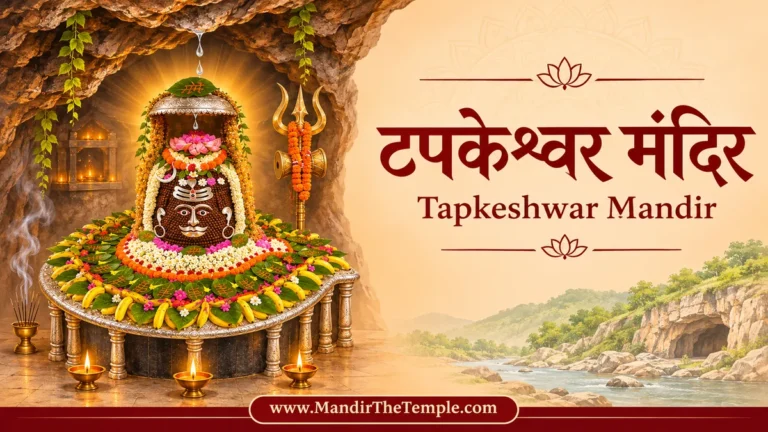
Tapkeshwar Mahadev Temple
Tapkeshwar Mahadev Temple is one of Dehradun’s well-known Shiva temples.
Situated in a natural cave setting, it is particularly famous for water droplets that fall from the cave roof near the Shivling.
Devotees interested in exploring Dehradun’s religious heritage may consider visiting Tapkeshwar during the same day.
Forest Research Institute
The Forest Research Institute, commonly called FRI, is among Dehradun’s most recognisable landmarks.
Its impressive architecture, extensive grounds and forestry-related exhibits make it a popular destination for visitors interested in heritage, education and photography.
Access to particular buildings and exhibits may be subject to opening hours and admission rules.
Robber’s Cave – Guchhupani
Robber’s Cave, locally called Guchhupani, is a natural attraction known for its narrow rocky passage and flowing water.
It offers a very different experience from a hilltop temple trek.
Visitors planning to combine both attractions should allow time for travel, walking and changing into suitable footwear.
Garhi Cantt and Western Dehradun
The Garhi Cantt side of the city offers an opportunity to experience a quieter part of Dehradun beyond its central commercial areas.
Its roads, neighbourhoods and surrounding hills form part of the geographical setting associated with the Santala Devi pilgrimage.
Suggested Half-Day Visit
For travellers interested mainly in the temple, a half-day excursion is often more realistic than attempting to fit several attractions into a rushed schedule.
Begin in the morning, travel to the selected trailhead, complete the climb at a comfortable pace and spend time at the shrine.
After darshan, descend carefully and return to Dehradun.
Visitors with a full day available may add Tapkeshwar Temple or the Forest Research Institute, depending on traffic, opening hours and individual energy levels.
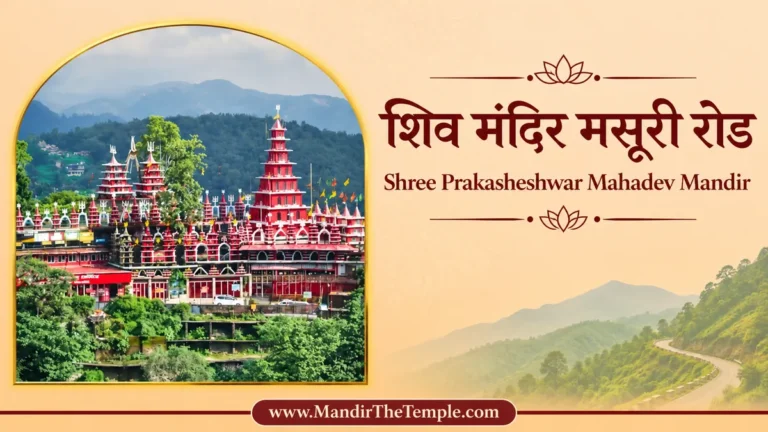
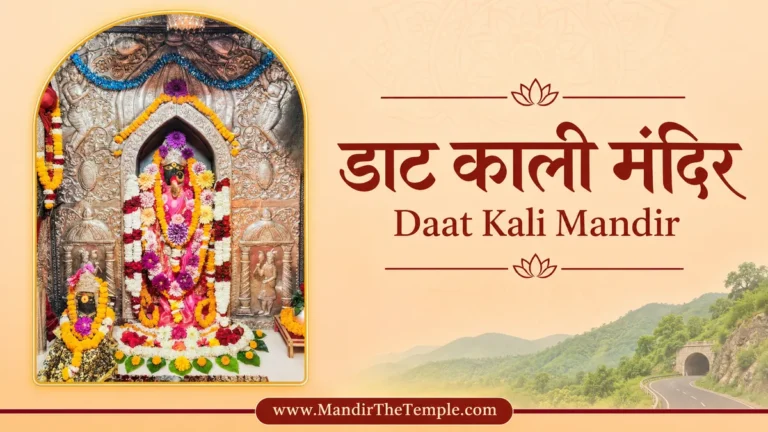
Also read: More famous temples of Dehradun: Tapkeshwar Temple, Daat Kali Temple and Shiv Mandir Mussoorie Road (Shree Prakasheshwar Mahadev Mandir)
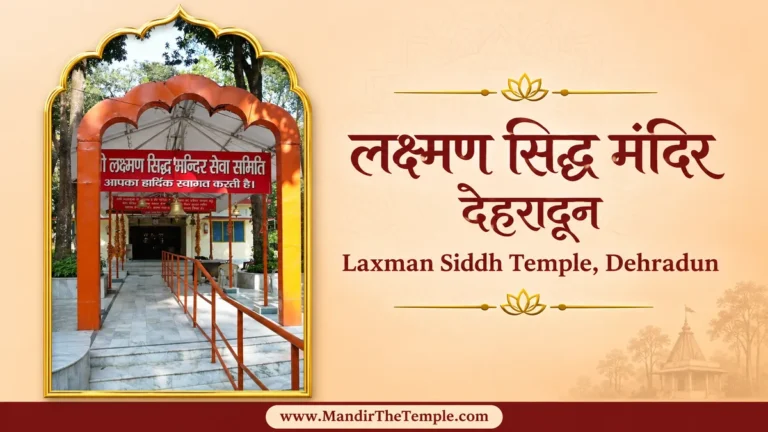
Also read: One of the four Siddh Peeths of Dehradun, set in the sal forest near Harrawala, where devotees offer jaggery on Sundays: Laxman Siddh Temple
Stay connected: Watch bhajans, aartis and temple videos on our YouTube channel, and follow us on Instagram and Facebook for daily updates.
17. Frequently Asked Questions About Santala Devi Temple Dehradun
1. Where is Santala Devi Temple located?
Santala Devi Temple is located near Santur Garh in Dehradun district, Uttarakhand. It stands on a forested hill above the Nun River and is commonly approached through the Jaitunwala and Punjabiwala areas.
2. How far is Santala Devi Temple from Dehradun?
The temple is generally described as approximately 15–16 kilometres from central Dehradun. The precise distance depends on the starting point and road route.
3. Who is Maa Santala Devi?
Maa Santala Devi is a locally revered Hindu goddess, traditionally associated with the divine power of Goddess Durga. According to local folklore, she was a princess who sought refuge in the Dehradun hills with her brother.
4. What is the history of Santala Devi Temple?
The temple’s history is closely connected with the legend of Santala Devi and her brother. According to tradition, they prayed for divine protection during an attack and were transformed into stone figures. The original date of the temple’s establishment is not conclusively documented.
5. Why is Saturday important at Santala Devi Temple?
Saturday is considered sacred because the legendary transformation of Santala Devi and her brother is believed to have occurred on that day. The temple is therefore especially popular among devotees on Saturdays.
6. How long is the Santala Devi Temple trek?
The conventional trek from Punjabiwala is approximately two kilometres, according to Dehradun Nagar Nigam. Some other accounts describe the final ascent as approximately 1.5 kilometres.
7. Is the Santala Devi trek difficult?
The trek is short but includes uphill walking. It may be manageable for reasonably fit visitors, while beginners, senior citizens and people with limited mobility may find it demanding.
8. Can we reach Santala Devi Temple by car?
Visitors can travel by car or taxi towards the road-accessible approach, but the conventional pilgrimage includes a final uphill trek. Direct vehicle access to the temple entrance should not be assumed.
9. What are the Santala Devi Temple timings?
Different travel websites publish different opening hours. A confirmed daily schedule is not provided on the official municipal temple page, so visitors should verify current timings locally.
10. What is the best time to visit Santala Devi Temple?
Spring and autumn generally offer favourable walking weather. Clear mornings are preferable, especially during warmer months. Trekking during heavy monsoon rain should be avoided.
11. Is Santala Devi Temple open during Navratri?
Navratri is an important period of goddess worship, and the temple has traditionally attracted devotees during the festival. Visitors should verify the current year’s arrangements and darshan schedule.
12. Is there an entry fee for Santala Devi Temple?
No confirmed official entry fee is known. Visitors should check locally for any applicable charges or arrangements.
13. Can children visit Santala Devi Temple?
Yes, children who can manage the uphill walk may visit with adult supervision. Families should carry water, wear suitable footwear and avoid unsafe weather conditions.
14. Can senior citizens visit Santala Devi Temple?
Suitability depends on individual mobility and fitness. The uphill trek may be challenging, and visitors should not assume wheelchair access or transport assistance is available.
15. What is the connection between Santala Devi Temple and Goddess Durga?
Maa Santala Devi is popularly regarded as a form of Goddess Durga or Shakti in local devotional belief. The temple has its own distinctive traditions and origin legend.
16. Who was Santala Devi’s brother?
Local accounts describe Santala Devi’s brother as her companion and protector. Some versions identify him as Santaur Singh, although this name has not been independently established through historical documentation.
17. Is Santala Devi Temple a Shakti Peeth?
Santala Devi Temple is a revered local goddess shrine, but it should not be confused with the traditionally enumerated Shakti Peethas without reliable evidence supporting that identification.
18. Is Santala Devi Temple safe to visit during the monsoon?
Heavy rainfall can make the uphill path slippery and affect the surrounding terrain. Visitors should avoid trekking during severe rain and confirm current trail conditions before travelling.
19. Which route is better, Punjabiwala or Kimadi Road?
The Punjabiwala route is the better-documented conventional pilgrimage approach. The Kimadi Road route is an alternative forest trek that may appeal to experienced walkers who have confirmed its current conditions.
20. What should visitors carry to Santala Devi Temple?
Comfortable walking shoes, drinking water, suitable clothing, a charged phone and essential personal medicines are sensible items to carry. Avoid unnecessary luggage and plastic waste.
18. Final Thoughts – Why Santala Devi Temple Deserves a Place in Your Dehradun Travel Plan
Santala Devi Temple is much more than a religious structure standing on a hill.
It is a place where the faith of local communities, an unusual brother-and-sister legend and the natural beauty of Dehradun come together.
The journey begins among the roads and settlements of western Dehradun and continues on foot through the forested hillside. By the time visitors reach the temple, they have experienced a quieter landscape, away from much of the city’s everyday activity.
For devotees, the shrine offers an opportunity to seek the blessings of Maa Santala Devi and reflect upon a tradition centred on courage, loyalty and divine protection.
For travellers, it provides a short hill pilgrimage that combines spiritual interest with the experience of walking through the Shivalik foothills.
Its connection with Saturday worship, the Nun River, Santur Garh and the traditional story of Santala Devi and her brother gives the temple a distinctive identity among the sacred places of Uttarakhand.
Anyone planning a visit should remember that the final approach involves trekking, that weather can affect the route and that current darshan arrangements should be confirmed locally.
Whether you visit as a devotee, a nature lover or someone interested in Dehradun’s cultural heritage, Santala Devi Temple offers an experience rooted in both landscape and living tradition.
Jai Maa Santala Devi! जय माँ संतला देवी!